


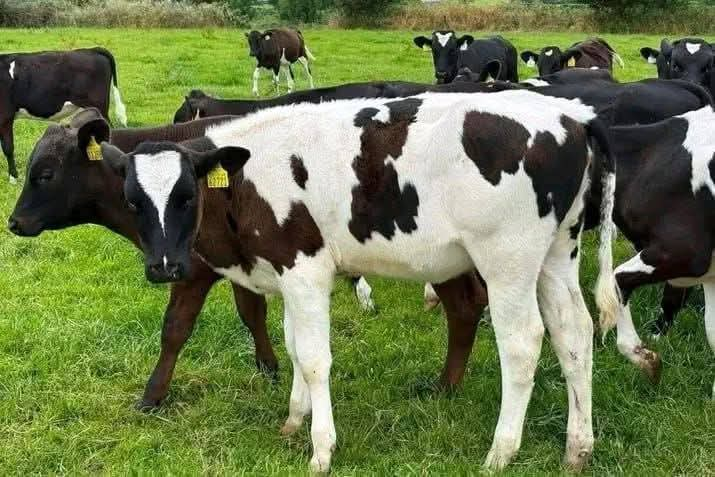
In Kaduna State,Cows in Damau community of the state State produce an average of just 1.2 litres of milk per day, a baseline study conducted under the Sedentarisation and Climate Change Resilience Project in Nigeria has revealed.
The study, which covered 730 households, attributed the low milk yield partly to traditional cattle-rearing practices, poor breeding methods and limited adoption of improved dairy production techniques.
Read also: INEC ready for Saturday’s mock election in Yobe, declares 158,652 PVCs unclaimed
It found that White Fulani cattle were the dominant breed in the community, while imported breeds were rarely kept. It also revealed that nine out of every 10 households owned at least one livestock animal.
According to the findings, nearly 59 per cent of the households were involved in milk production, while about 52 per cent reported selling milk as a source of income.
The study observed that most farmers relied on traditional grazing systems rather than intensive dairy farming, limiting the productivity of their cattle.
It noted that local cattle breeds, including the White Fulani, have the potential to produce between 12 and 15 litres of milk per cow daily under improved management conditions, compared with the current average of 1.2 litres recorded in Damau.
Read also: Gov. Yusuf Commiserates with Yankifi Market Fire Victims in Kano
Imported dairy breeds kept under intensive farming systems could produce about 30 litres per cow daily, according to the Arla Farm Open Day Bulletin of October 2026.
The findings further highlighted poor milking practices, with 97 per cent of the households relying on hand milking, while only three per cent used milking machines.
The researchers said the widespread reliance on manual milking could increase labour requirements and make it more difficult to maintain adequate hygiene standards, potentially affecting milk quality and exposing consumers to contamination risks.
On cattle breeding, the study found that about six out of every 10 households relied on traditional breeding methods, giving farmers limited control over the bulls used for reproduction and increasing the possibility of inbreeding.
It also observed that only a few farmers maintained records of milk production or breeding activities, making it difficult to identify high-performing animals and make informed breeding decisions.
Read also: Nigeria’s future lies with young population—Speaker Abbas
The researchers recommended interventions to improve cattle breeding practices, strengthen farmers’ knowledge of modern dairy production and increase access to suitable breeding animals.
They said improving dairy production would enhance milk yields, increase household income, improve food availability and contribute to better living conditions among farming households in the community.