


In the political history of Gombe North Senatorial District, many representatives have come and gone, leaving behind varying legacies of leadership, legislative contributions, and commitment to the welfare of the people. However, among those who have occupied the exalted office of Senator representing the district, many citizens now argue that Senator Ibrahim Hassan Dankwambo has delivered one of the most disappointing and underwhelming performances ever witnessed.
For more than three years in the Senate, the people of Gombe North have continuously complained about the absence of visible impact, tangible constituency projects, effective representation, and meaningful legislative interventions capable of transforming the lives of ordinary citizens. To many observers, his tenure has been characterized more by political silence and strategic self-preservation than by purposeful leadership and people-oriented governance.
Unlike representatives who consistently maintain close relationships with their constituents through empowerment initiatives, infrastructural projects, educational interventions, and legislative advocacy, many residents of Gombe North insist that Senator Dankwambo’s presence in the National Assembly has yielded little or nothing substantial that directly reflects the aspirations of the people who entrusted him with their mandate.
Now that the political atmosphere is gradually heating up ahead of the 2027 general elections, it appears obvious that Senator Dankwambo has become increasingly conscious of the growing dissatisfaction among the electorate. The political reality on the ground suggests that his anticipated confrontation with the incumbent Governor of Gombe State, Alhaji Muhammadu Inuwa Yahaya, may prove extremely difficult, especially considering the Governor’s strong political structure, administrative influence, and expanding grassroots support across the state.
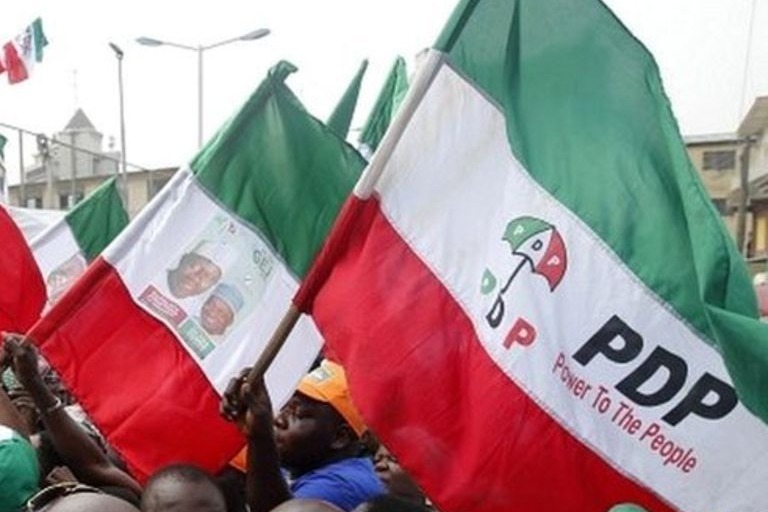
Apparently overwhelmed by fears of political defeat, Senator Dankwambo allegedly resorted to desperate political calculations by facilitating the sudden entrance of Professor Isa Ali Pantami into the Peoples Democratic Party (PDP). What shocked many party loyalists and stakeholders was not merely Pantami’s defection, but the astonishing speed with which he was reportedly handed the gubernatorial ticket less than twenty-four hours after joining the party.
This controversial development has generated widespread outrage among long-standing PDP aspirants and loyal party members who had already invested enormous resources, time, and political energy into the democratic process. These aspirants had legitimately purchased nomination forms, undergone internal screenings, consulted widely with delegates, and patiently followed all constitutional procedures established by the party. To suddenly discard them in favor of a late entrant has been described by many as an insult to internal democracy and a dangerous betrayal of political trust.
Even more controversial is the political history of Professor Isa Ali Pantami himself. Many critics recall how, in previous years, he allegedly used harsh religious rhetoric against the PDP, at times reportedly describing the party in extremely derogatory terms, including references associating it with “infidelity.” Consequently, many observers now question the ideological consistency behind his sudden alignment with the same political platform he once openly criticized.
To such critics, Pantami’s decision to embrace the PDP immediately after failing to secure victory within the APC governorship primary appears less like a principled political transition and more like an opportunistic maneuver motivated by personal ambition and political survival.
The aftermath of this development has thrown the PDP in Gombe State into severe internal turmoil. Aggrieved aspirants and their supporters now perceive the situation as the highest level of political injustice, manipulation, and marginalization. Their anger continues to intensify, with many openly vowing to resist what they describe as an imposition until justice is achieved through every legitimate means available.
Political analysts warn that if the crisis remains unresolved, it could create deep fractures within the opposition party ahead of the 2027 elections. Internal betrayals, lack of transparency, and disregard for democratic principles often weaken political institutions more than opposition attacks ever could. A divided house rarely succeeds at the polls, especially when resentment, distrust, and feelings of exclusion dominate the internal atmosphere.
At this critical moment, the PDP in Gombe State faces a defining test of integrity, fairness, and political maturity. If the leadership fails to restore confidence among aggrieved members and uphold the principles of justice and inclusiveness, the party risks entering the 2027 elections deeply fragmented and politically vulnerable.
Ultimately, politics should never be reduced to personal desperation or elite arrangements designed to satisfy individual ambitions at the expense of collective democratic values. Genuine leadership requires consultation, fairness, accountability, and respect for due process. Without these principles, political institutions lose credibility, party loyalists become demoralized, and the electorate gradually loses faith in the entire democratic system.
BY: Suleiman Muhammad Kime SMUK