
Abdullahi Tukur
UNICEF and other International partners in collaboration with the Sokoto state government, have commemorated World Menstrual Hygiene Day where its highlighted the importance of menstrual care and raised awareness of the social issues and challenges women face during menstruation.
To commemorate the World Menstrual Hygiene Day 2026 with the theme “Together for a period-friendly world”. was to acknowledge the fact that menstruation is a natural part of life and that the taboos around it must be eliminated.
The day is also celebrated to raise awareness of menstruation and eradicate period-related myths and shame. Undoubtedly, period awareness has increased in urban areas, with more women opting for sanitary pads rather than cloth, and not only women; people, in general, have developed a better understanding of menstruation in metro areas.
UNICEF stated that, Menstrual Hygiene Day helps overcome the taboos for a healthy life where thousands of women and girls are stigmatized, alienated, and discriminated against simply because they menstruate.
UNICEF described Menstruation as difficult to deal with anywhere as majority of young girls are not taught why they bleed for nearly a week every month or how to handle periods safely and hygienically when they are young.
According to Development partners, using dirty or used cloth for periods regularly can cause reproductive system infections such as bacterial vaginosis or urinary tract infections (UTI), which can progress to pelvic infections.
“Girls should be educated in maintaining the highest level of hygiene during periods”.because the pad absorbs more blood, sweat, and sebum as the menstrual flow is stronger during the day while you’re active.
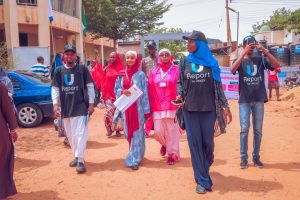
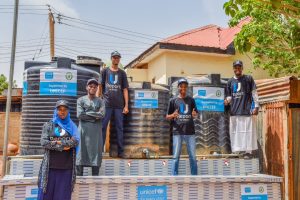
This year’s World Menstrual Hygiene Day in Sokoto State was marked at Angwar Talakawa and Government Girls Day Secondary School Kofar Marke in conjunction with the State Ministry of Women and Children Affairs and other relevant stakeholders, INGOs, and CSOs.
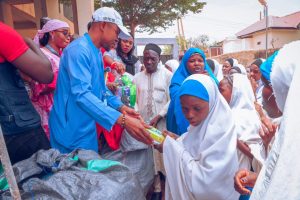
AGILE distributed 450 reusable pads, 250 school bags, and 250 notebooks; and Action Against Hunger distributed 10 Cartons of soap to the in-school girls.
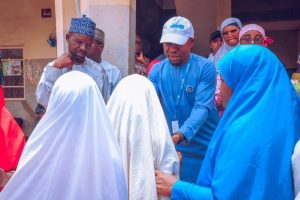
In attendance to commemorate this year’s world event were the out-of-school girls, women, children, and men from Unguwar Talakawa community and students, teachers, invited dignitaries from the various line ministries, Ruwassa, INGOs, CSO and partners, the WASH Team Lead and WASH state facilitator.