


By Bala Dauda, Damaturu
The Co-Imam of Three-Bedroom Jummaat Mosque in Damaturu, Yobe, Sheikh Samaila Adamu, has called on Muslims to always support families of missing persons.
Adamu made the plea during a Jummuat prayer sermon in Damaturu on Friday, as part of activities marking the August 30, 2026 International Day of the Disappeared.
Our correspondent reports that the day is set aside by governments and development partners to identify and honour missing persons and stand in solidarity with their families.
Human disappearance is a devastating and long-lasting consequence of armed conflict, disasters and migration.
The cleric said families of missing persons lived in uncertainty, agony, unspeakable suffering and economic hardship in most cases.
He noted that failure of government and the citizenry to address the trauma, economic hardship and legal challenges suffered by families of missing persons would disrupt the fabric of communities and impede social and economic progress.
Adamu advised managements of motor parks to ensure that every passenger boarding a vehicle must fill the passengers manifest.
“ Filling the manifest booklet should be compulsory and anyone who refuses to do so should not be entertained.
“ This will go a long way in helping families to identify the whereabouts of individuals or groups in case of eventualities,” the cleric said.
On voluntary disappearance, he warned that abandonment of family was not only an offence, but a major sin forbidden in Islam.
“ Those doing this must remember that abandonment is a prohibited act in Islam as it subjects families and loved ones into emotional trauma and economic hardship ,” he said.
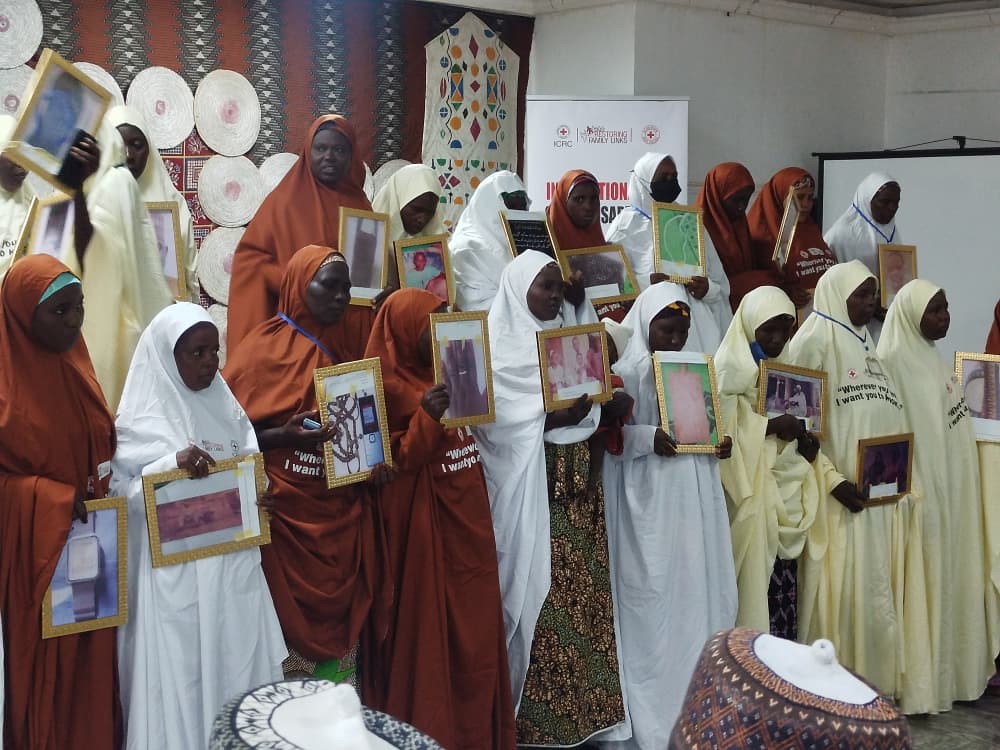
It would be recalled that the International Committee of the Red Cross (ICRC) had earlier organised a media roundtable and stakeholders’ meeting to commemorate the 1,500 missing persons in the state.
Highlights of the commemoration included photo exhibition featuring missing persons, designed to give visibility to individuals whose whereabouts remain unknown and to highlight the struggles of endless search for them by their families.
The ICRC said photographs, shoes, clothes and other personal belongings often become important symbols for families because they preserved memories, identity and a tangible connection to missing loved ones.