
The Chief of Army Staff (COAS), Lieutenant General Waidi Shaibu, has reaffirmed the Nigerian Army’s commitment to advancing local technological capacity and strengthening strategic partnerships to boost national security and personnel development.
This was contained in a statement signed by Colonel Appolonia Anele Acting Director Army Public Relations issued to newsmen.
Read also: COAS SHARPENS COMBAT EDGE OF EXPANDING NIGERIAN ARMY, GRADUATES 91 RRI CTCOIN RECRUITS
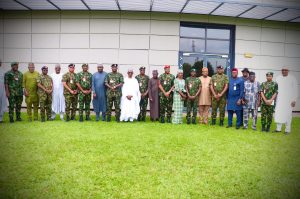
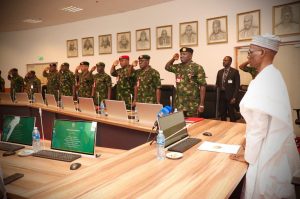
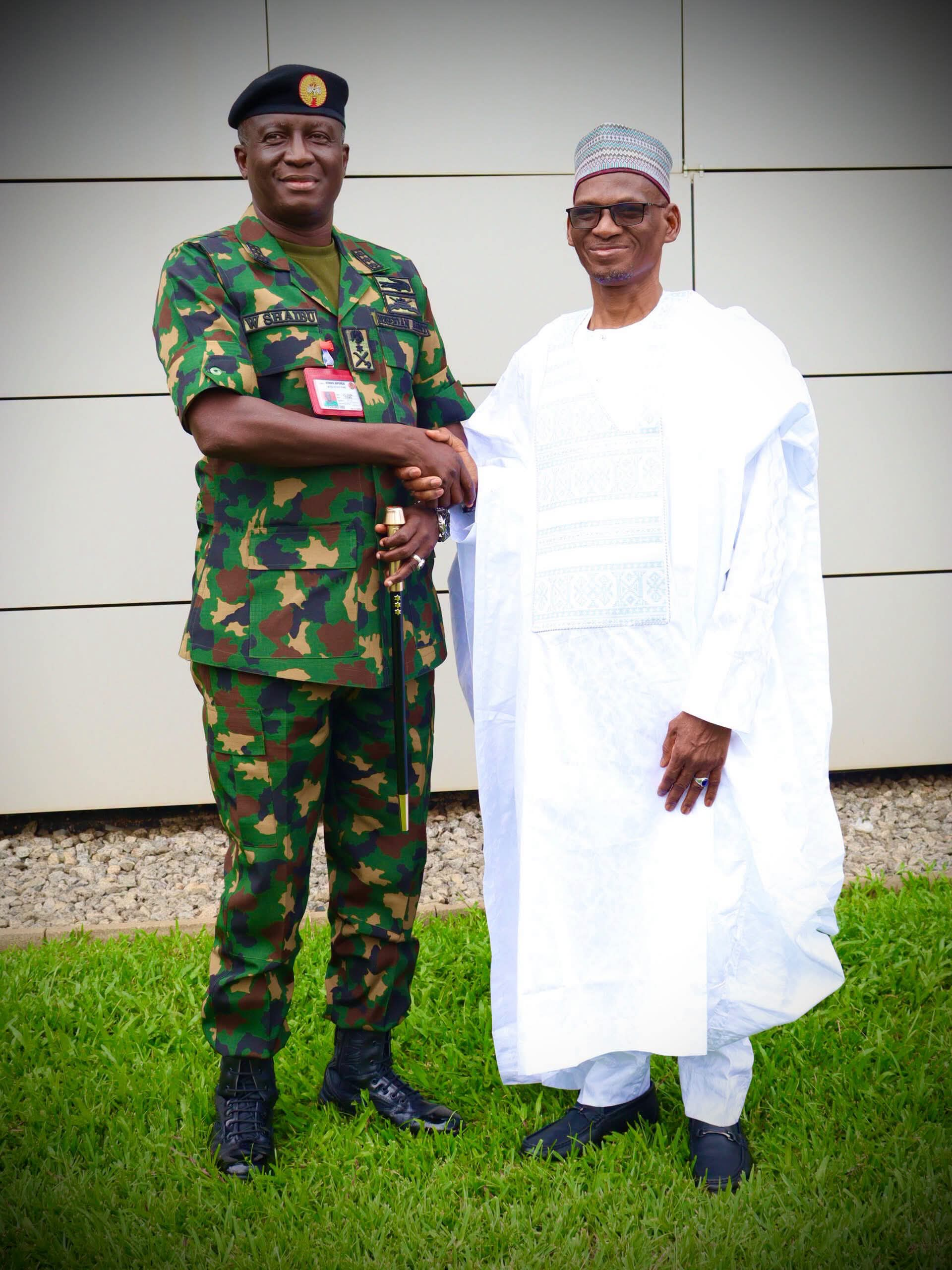
Speaking on Friday, 18 September 2026, during a courtesy visit to the Petroleum Technology Development Fund (PTDF) headquarters in Abuja, General Shaibu highlighted the urgent need to build local expertise in unmanned aerial systems and drone technology to tackle terrorism, insurgency and banditry.
Read also: COAS STRENGTHENS TROOP WELFARE, COMMISSIONS TRAINING INFRASTRUCTURE AT DEPOT NIGERIAN ARMY ZARIA
He praised the PTDF’s long standing role in human capacity development and formally requested specialized training for army personnel to create a strong pool of skilled professionals. “This will help us establish indigenous companies for the development of unmanned aerial systems and reduce reliance on foreign military training,” the COAS said, while also acknowledging the Fund’s continued support for Command Secondary Schools.
Read also: COAS JOINS PRESIDENT TINUBU, CDS, SERVICE CHIEFS IN PAYING LAST RESPECTS TO FALLEN NAF 931 CREW
In his remarks, the Executive Secretary of the PTDF, Professor Shuaibu Shehu Aliyu, commended the sacrifices of the Nigerian Army in safeguarding the nation’s territorial integrity. He outlined ongoing collaborations under the PTDF In-Country Scholarship Scheme at the Nigerian Defence Academy and pledged to establish a modern ICT center for digital skills training at the proposed Command Science Secondary School in Kaduna.
Professor Aliyu also called for the Army’s support in protecting PTDF’s strategic national assets and regional centers of excellence in Kaduna and Afam. He advocated for a formal security framework between both institutions to ensure rapid emergency response and safeguard staff, students and infrastructure.