
…Landmark WHO Recognition Reflects Inuwa Yahaya’s Sustained Investment in Healthcare Excellence – CMD Dawa
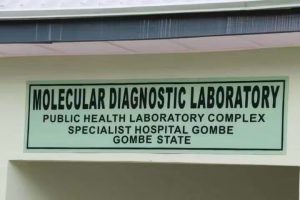
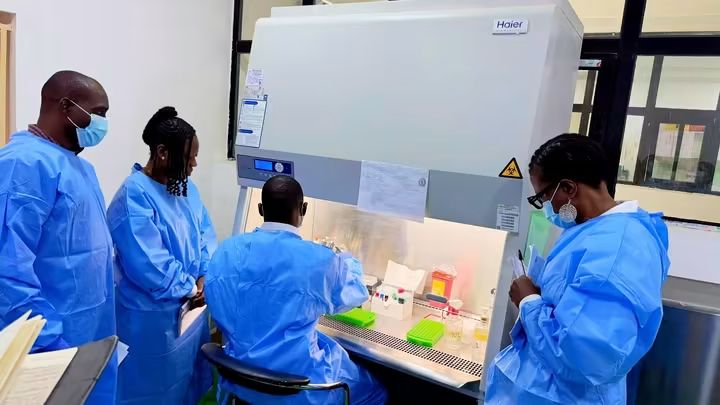
Gombe State has recorded a major breakthrough in public health surveillance and disease control with the formal accreditation of the Molecular Diagnostic Laboratory of the Gombe State Specialist Hospital by the World Health Organization (WHO) for measles and rubella diagnostic testing.
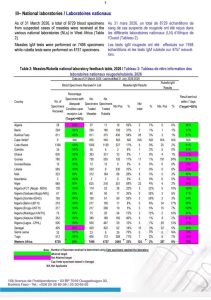
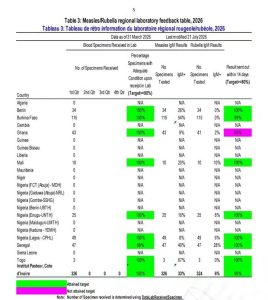
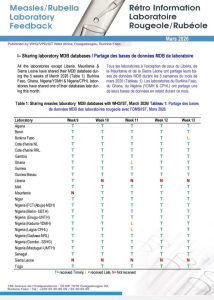
The landmark achievement has integrated the Gombe State Specialist Hospital into the WHO Global Measles and Rubella Laboratory Network, positioning the state among the few locations in Nigeria with internationally accredited capacity for the laboratory confirmation of suspected measles and rubella cases.
The accreditation is a significant step forward in Gombe State’s drive towards a stronger, more responsive and self-reliant healthcare system, and reflects the commitment of the administration of Governor Muhammadu Inuwa Yahaya, CON, to strengthening diagnostic capacity, disease surveillance and emergency health response.
The achievement was made possible through the sustained commitment of the state government and collaboration with relevant national and international health partners to strengthen the capacity of the facility and ensure that its laboratory systems meet globally recognised standards.
To secure the accreditation, the laboratory underwent rigorous assessment against stringent quality and technical requirements, including standards relating to sample collection and handling, biosafety, testing procedures, data management, quality assurance and proficiency testing.
The facility was also required to demonstrate consistent performance through the mandatory External Quality Assessment (EQA) and proficiency panel testing, in addition to demonstrating competence in the use of Enzyme-Linked Immunosorbent Assay (ELISA) for the serological detection of measles and rubella infections.
Commenting on the development, the Chief Medical Director of the Gombe State Specialist Hospital, Dr. Dawa Sambo, described the accreditation as a significant milestone for healthcare delivery and disease surveillance in Gombe State.
He explained that the new status means the state no longer has to depend exclusively on distant reference laboratories for the confirmation of suspected measles and rubella cases.
According to him, trained medical laboratory scientists in Gombe can now undertake the required diagnostic testing locally, significantly reducing the time between sample collection and confirmation.
Dr. Sambo noted that faster laboratory confirmation is critical to effective disease surveillance because it enables health authorities to respond more quickly when suspected cases are detected.
He said the shorter turnaround time would strengthen the capacity of surveillance teams to undertake timely investigations and implement appropriate containment and vaccination measures where necessary, particularly during outbreaks.
The development is particularly significant given the continuing public health threat posed by measles and rubella, especially among children.
For years, samples from the North-East have often had to travel considerable distances to designated reference facilities for laboratory confirmation. Such logistical delays could prolong the time required to establish the cause of suspected cases and potentially slow the activation of appropriate public health interventions.
The WHO accreditation of the Gombe laboratory therefore provides the North-East with an important additional diagnostic capacity and strengthens the region’s ability to detect and respond to vaccine-preventable diseases.
The laboratory’s accreditation is also a major vote of confidence in the quality of diagnostic services being provided at the Gombe State Specialist Hospital and the broader health-system reforms being pursued by the state government.
With the accreditation, Gombe State now has one of only eight WHO-accredited centres in Nigeria for measles and rubella laboratory testing, placing the state among a select group of facilities contributing directly to the country’s participation in the global measles and rubella surveillance system.
Beyond the prestige associated with the accreditation, the development carries practical benefits for public health: faster diagnosis, stronger surveillance, quicker outbreak response and improved protection of children and communities.
For Gombe, the achievement is another indication that strategic investment in healthcare infrastructure, technical capacity and quality assurance can deliver institutions capable of meeting international standards while providing critical services closer to the people.