
By Umar Dankano Yola.
Experts have advocated for adoption of environmental solutions to addressing the present-day challenges of climate change as it relates to children well being in Adamawa state and the country at large.
Read also: Kano Rises to Third Place in 2026 Subnational Climate Governance Performance Ranking
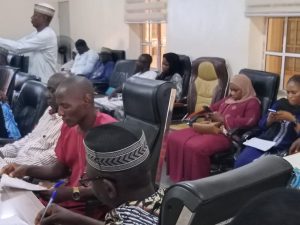
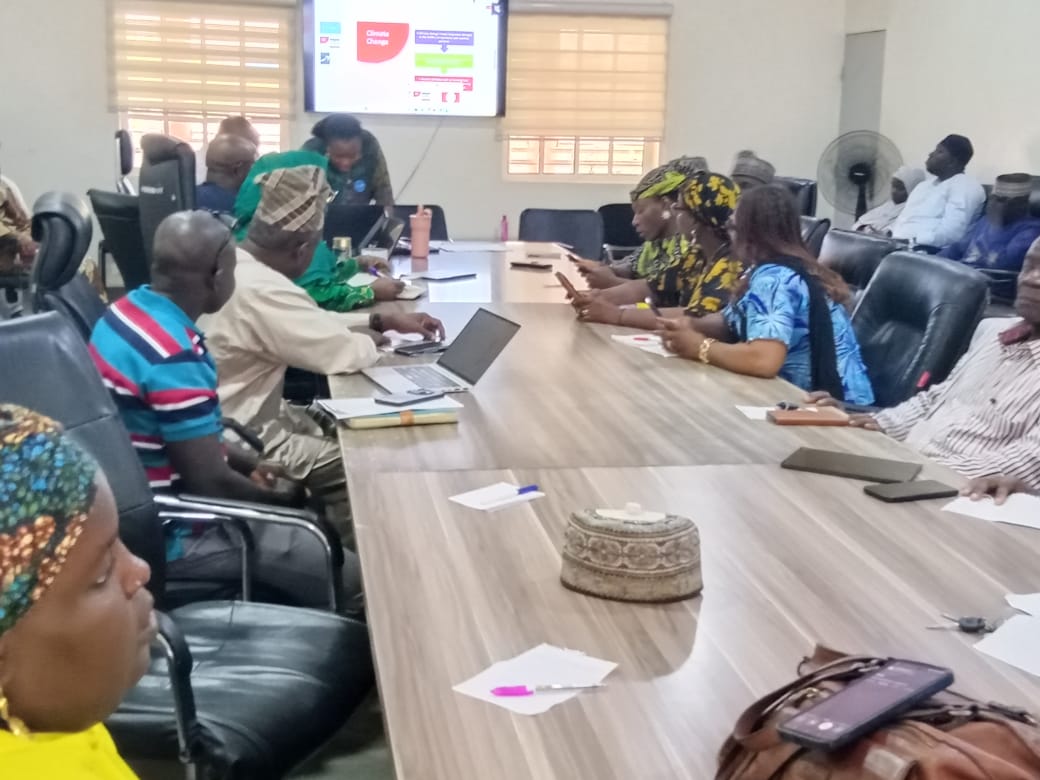
This was part of the resolutions reached at an advocacy engagement on climate change resilience and water sanitation and hygiene WASH advocacy organized by the Adamawa state government and United Nations Children’s Fund, UNICEF with support from Government of the Netherlands.
Experts warned that children, particularly those from vulnerable and farming-dependent households, will be among the worst affected by the growing effects of climate change across the twenty one local government areas in the state.
They hammered on the connection between climate change, water security, sanitation, disease prevention and child survival observing that drought and water, food security, school attendance, nutrition household livelihoods are factors militating against the well being of vulnerable children and families which need to be addressed.
A guest speaker during the engagement, a geography professor from faculty of Geography, Modibbo Adama University Yola, Professor Abel Adebayo said that the Climate change is increasingly becoming a serious threat to the health, nutrition and education of children in the state due to changing rainfall patterns, rising temperatures and extreme weathe r events which continue to undermine livelihoods and food production.
Prof. Adebayo said that the altercation of climate change is forcing unpredictable changes in the weather, temperature, rain ing and agricultural processes in the state and even country at large noting that research conducted has shown that planting periods had changed over the years from month of April in 1990s to late June in present day.
While maintaining that prolonged dry spells and weather situation put much pressure on farming and threatening household food security, Adebayo warned that the consequences of declining agricultural production go far beyond farmers’ incomes, particularly in households where children depend on crops such as beans and groundnuts as important sources of food and protein.
Read also: Katsina Emerges Tops in Nigeria’s 2026 Subnational Climate Governance Ranking
“When nutrition is affected, disease and the health of our children are also in danger,” he stressed, linking the deteriorating agricultural situation to the wider health and welfare of children.
He also identified rising temperatures as another serious threat, particularly because of the vulnerability of children to extreme heat linking climate change to increasing concerns over heat-related diseases and deaths, while also highlighting malnutrition, hunger, displacement and disruption of education among the consequences of climate-related shocks.
“When food is affected, both in quality and quantity, children suffer,” he noted, adding that displaced families often include large numbers of women and children, who are among the most vulnerable groups during emergencies.
“Climate-related displacement can also interrupt schooling, leaving children out of classrooms and exposing them to further socioeconomic hardship.Climate vulnerability was determined by three major factors: exposure, sensitivity and adaptive capacity.
“The state’s adaptive capacity remained low, thereby increasing the severity of climate-related impacts”.Adebayo decried.
In their separate remarks, Emmanuel Esly, General Manager,Adamawa state Rural Water Supply and Sanitation Agency,RUWASSA and Mrs Nambam Dawap, UNICEF. Wash Officer,Bauchi field office observed that as a response to the challenge climate concerns must be put on the front line and integrated into water, sanitation and hygiene interventions.
Read also: Adamawa Celebrates World Tourism Day ceremony in grand style.
They exclusivity on wash and sanitation facilities must now incorporate climate and gender indicators stressing that communities were being encouraged to work with WASH structures, volunteers, youth groups, traditional leaders and other stakeholders to strengthen climate action
They charged communities to use of clean toilets and regular hand washing after answering calls of nature to prevent diseases and end open defecation in the communities declaring Three local councils have achieved open defecation free(ODF) status including; Jada, Guyuk and Maiha accordingly.