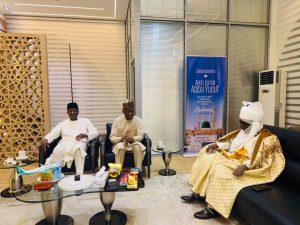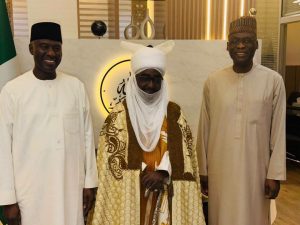

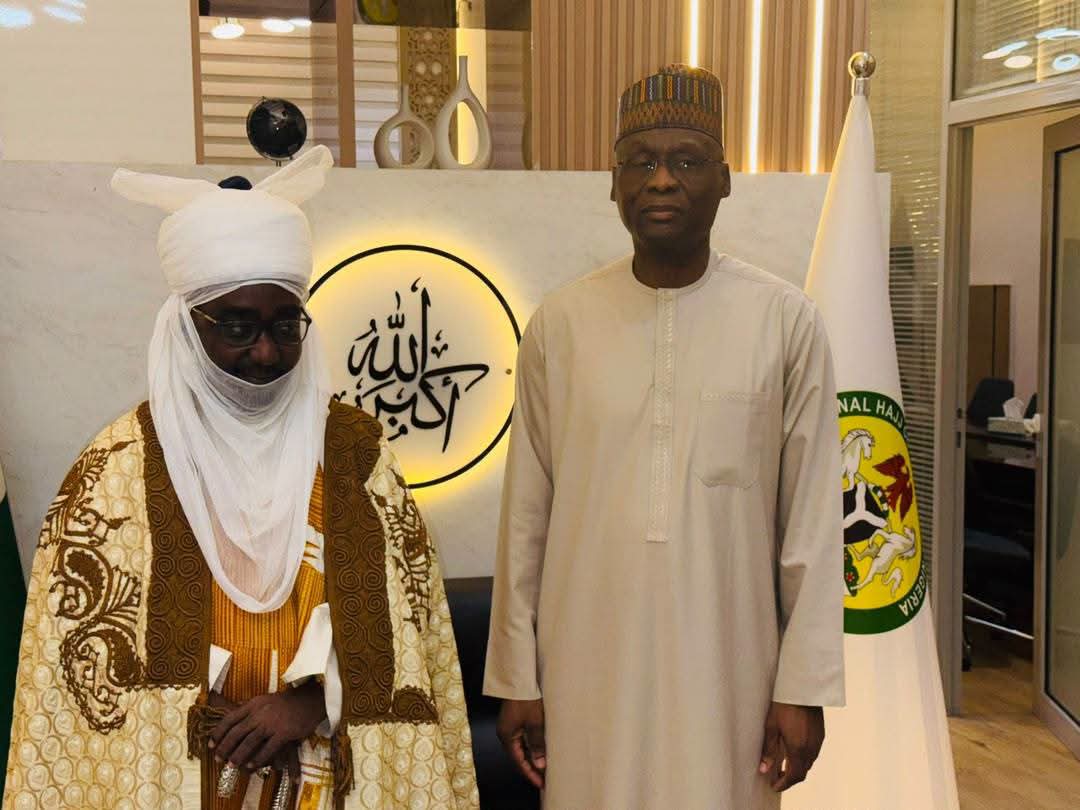
The Emir of Zazzau, Ambassador Ahmed Nuhu Bamalli, has called for sustained efficiency, transparency and early preparation in the administration of Hajj operations for Nigerian pilgrims.
The Emir made the call when he paid a visit to the Chairman and Chief Executive Officer of the National Hajj Commission of Nigeria, NAHCON, Ambassador Ismail Abba Yusuf, at the Commission’s headquarters in Abuja.
Ambassador Bamalli assured NAHCON of the support of the Zazzau Emirate and the traditional institution, stressing the need for continuous improvement in the welfare, safety and comfort of Nigerian pilgrims.
He described the management of Hajj logistics for tens of thousands of pilgrims as a huge responsibility requiring dedication, transparency and strategic planning.
The Emir also pledged the support of the traditional institution in mobilising and sensitising intending pilgrims towards ensuring a smooth Hajj operations
“Hajj is a significant spiritual journey, and the comfort, safety and well-being of our people while fulfilling this religious obligation must remain paramount. We are here to offer our prayers, counsel and support to NAHCON. We also urge the Commission to sustain its drive towards structural efficiency, early preparations and transparent communication.”
Responding, the NAHCON Chairman expressed appreciation to the Emir for the visit, describing it as a major morale booster for the management and staff of the Commission.
Ambassador Ismail Abba Yusuf briefed the royal father on NAHCON’s latest policy frameworks, digital innovations and strategic partnerships aimed at reducing costs, improving accommodation and feeding arrangements, as well as streamlining the airlift of pilgrims.
“We appreciate the valuable counsel and support of the Emir of Zazzau. NAHCON will continue to strengthen its reforms and innovations to improve the Hajj experience of Nigerian pilgrims and meet the expectations of the Federal Government and the Muslim Ummah.”
The NAHCON Chairman assured the Emir that the Commission would carefully consider the insights and recommendations arising from the interaction as part of efforts to further improve Hajj administration in Nigeria.