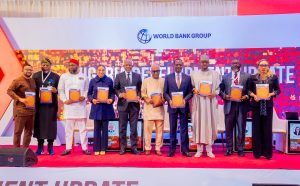

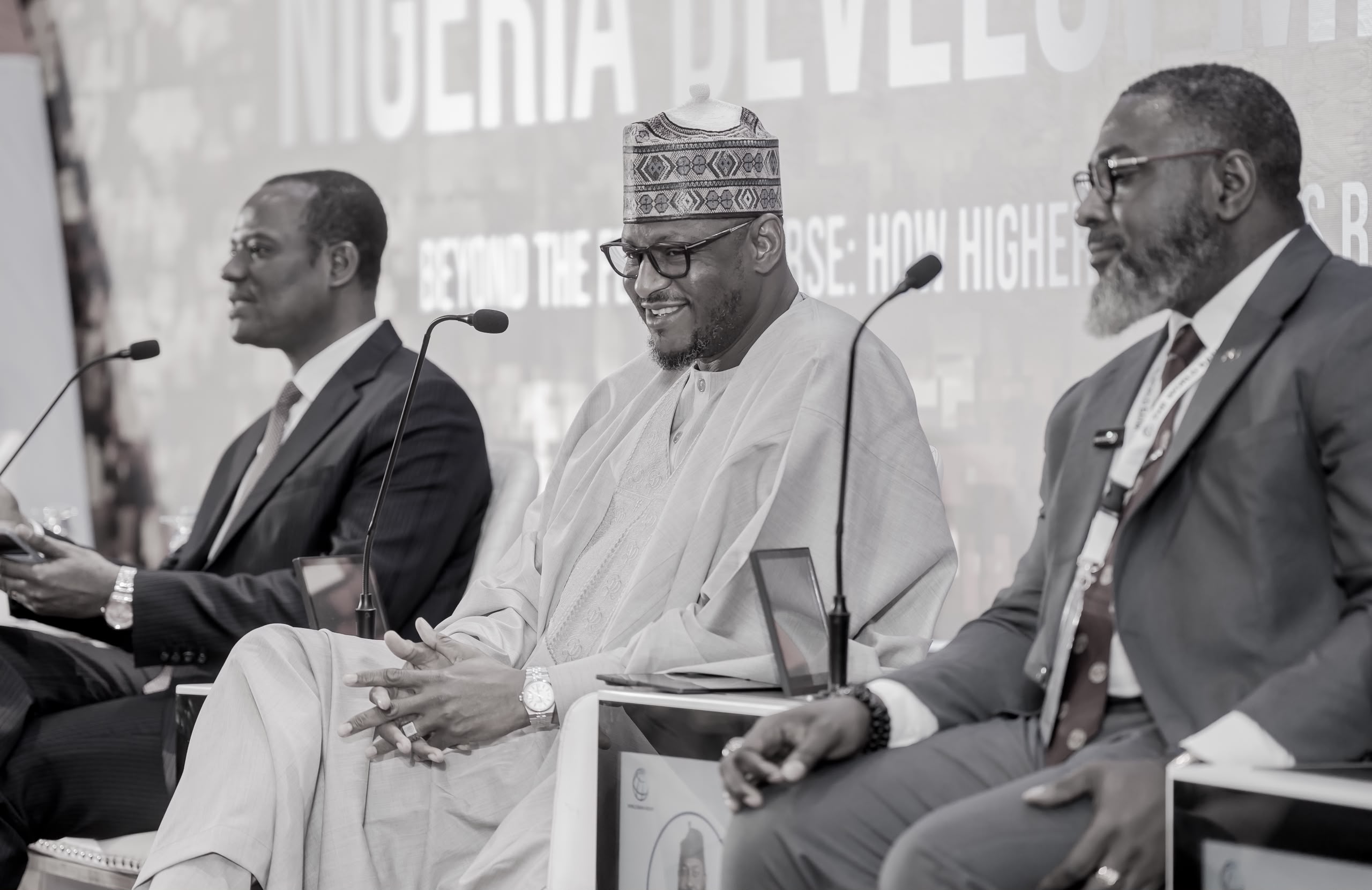
Katsina State Governor, Malam Dikko Umaru Radda, on Thursday participated as a panelist at the launch of the October 2026 Nigeria Development Update by the World Bank in Abuja.
A statement signed by Ibrahim kaula Mohammad, Chief Press Secretary to the Governor, said the forum, themed “Beyond the Federal Purse: How Higher Revenues Reshaped State Priorities,” brought together government officials, development partners and financial institutions to examine how increased revenues can be translated into sustainable development.
Read also: Bankin Duniya Ya Ƙara Hasashen Ci gaban Tattalin Arzikin Najeriya zuwa Kashi 4.
Governor Radda explained how Katsina State is deliberately channeling increased revenues into community development and productive investments, rather than recurrent expenditure.
He disclosed that Katsina’s capital spending on fixed assets roughly doubled from N50 billion to N104 billion between 2025 and 2026, reflecting administration’s commitment to converting revenue into lasting public assets.
According to him, the additional fiscal space has been invested in roads, education, healthcare, water supply, renewable energy and agriculture to reduce cost of transportation, improve access to essential services and create opportunities for citizens
“Higher revenue is a window, not a windfall. We are using it to fix the fundamentals, so the next government inherits assets, not liabilities,” Governor Radda stated.
He also showcased Katsina’s coordination model through Katsina State Development Management Board, KTDMB, under the “One State, One Plan, Many Financiers” approach, which aligns government and development-partner investments with State priorities to reduce duplication and maximize community impact.
The Governor noted that development-partner resources are fully incorporated into State’s planning and budgeting framework, strengthening transparency, coordination and fiscal discipline.
Read also: Governor Radda Makes Fresh Appointments, Tasks Appointees on Building Your Future Agenda
Governor Radda’s presentation attracted commendation from participants and development partners for demonstrating how stronger revenues, supported by sound planning and disciplined execution, can translate into tangible improvements in lives of citizens.
He reaffirmed that ultimate objective of increased revenue is to turn public resources into lasting development that works harder for people of Katsina, today and for generations to come.