


By Zubair Abdurra’uf Idris
The road to 2027 has already begun, and the political weather across Nigeria is thick with realignment, ambition, and the loud sound of defections. Across states, politicians with envious ambitions are cross-carpeting from one party to another, severing old godfather ties, and pledging new allegiance to new masters.
In some states, this season of movement is matched by visible delivery. Governments at federal, state, and local levels are rolling out projects that touch roads, schools, hospitals, and farms. In others, the story is different: heavy debt burdens, global economic headwinds, and years of fiscal mismanagement have left citizens waiting.
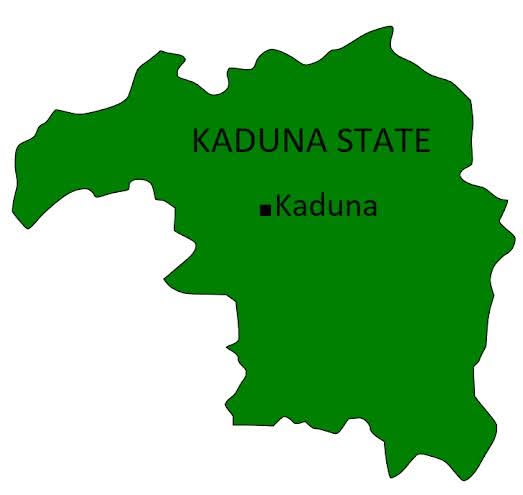
Kaduna State sits at the center of both stories. And in Kaduna today, the contrast could not be clearer.
The Debt Inheritance and a New Direction
When Governor Senator Uba Sani assumed office, he inherited a state weighed down by obligations. The administration of Mallam Nasir El-Rufai left behind huge domestic and foreign debt commitments that limited fiscal space and forced difficult choices. Many predicted that Kaduna would spend the next four years in survival mode.
Instead, Governor Uba Sani chose a different path: inclusive governance. His “Transformation Agenda” was designed around one principle, that development must be felt in all 23 Local Government Areas, not just in the urban core.
From rural access roads, upgrade of Primary Health Care Centres and General Hispitals to agricultural input support for smallholder farmers across the state, the administration has deliberately spread projects to communities that were long ignored. School rehabilitation, water projects, and youth empowerment schemes have also been prioritized, with a clear effort to balance geopolitical zones and demographics.
That spread matters politically. Because when citizens can point to a newly graded road, a renovated clinic, or a skills center in their LGA, trust is rebuilt. And rebuilt trust is the hardest thing for an opposition to fight.
Why the Opposition Is Struggling
This is where “the politics of deceit” comes in.
The visible and touchable projects of the Uba Sani administration have not only changed the development conversation in Kaduna, they have also given the opposition a nightmare. With delivery on the ground, what remains for critics is propaganda, recycled allegations, and political deceit, because there is little new to present to the electorate beyond noise.
The African Democratic Congress, ADC, in Kaduna exemplifies this crisis. Once positioned as an alternative platform, the party is now in visible disarray. The roof of the house caved in with the exit of Dr. Salihu Lukman, long seen as a beacon and mobilizer within the party structure.
Reports within political circles indicate that Lukman’s departure was not accidental. Elements within the opposition, working in concert with former Minister Rotimi Amaechi, allegedly pressured and isolated him until exit became inevitable. The consequence is immediate: mistrust has deepened, factions have hardened, and the party now lacks both coordination and a credible face to market to Kaduna voters.
This is the cost of politics built on personality clashes rather than programs. When a party cannot keep its own house together, it cannot credibly ask to govern 23 LGAs and over 9 million people.
Beyond Godfatherism
Across Nigeria, 2027 is shaping up as a referendum on performance versus theatrics. Voters are increasingly asking three questions: What have you built? Who did you include? And can you be trusted with public resources?
In Kaduna, Governor Uba Sani’s answer has been to govern inclusively despite fiscal constraints. By prioritizing projects across all LGAs, by engaging traditional institutions, women groups, and youth, and by maintaining a steady focus on peace and security, the administration has galvanized a broad base of support.
The opposition’s answer, so far, has been division, defections, and delay tactics. Their antics, deceit, are glaring and voters can see it.
Politics is not just about slogans. It is about schools that open, clinics that have drugs, roads that farmers can use to get produce to market, and young people who see a future at home.
On those metrics, Kaduna under Senator Uba Sani is moving. The debt reality is real, but so is the progress. The noise from the opposition is loud, but so is the work on the ground.
For this reason, many within APC and across the state are saying it plainly: *”Carry Go.”*
*UBA SANI 2X.*
The politics of deceit may dominate headlines for a season. But in 2027, Kaduna voters will vote with their eyes, on projects they can see, and with their experience, on governance they can feel.
(ZUBAIR ABDURRA’UF IDRIS is a Public Affairs Analyst and Board Member Nigeria Electricity Management Services Agency NEMSA)