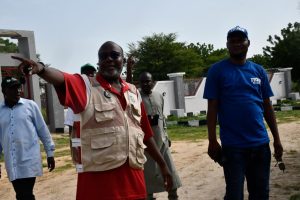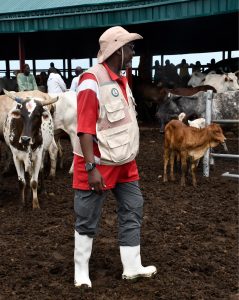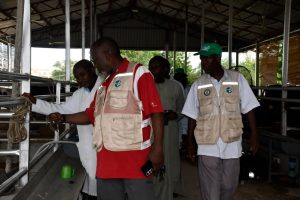

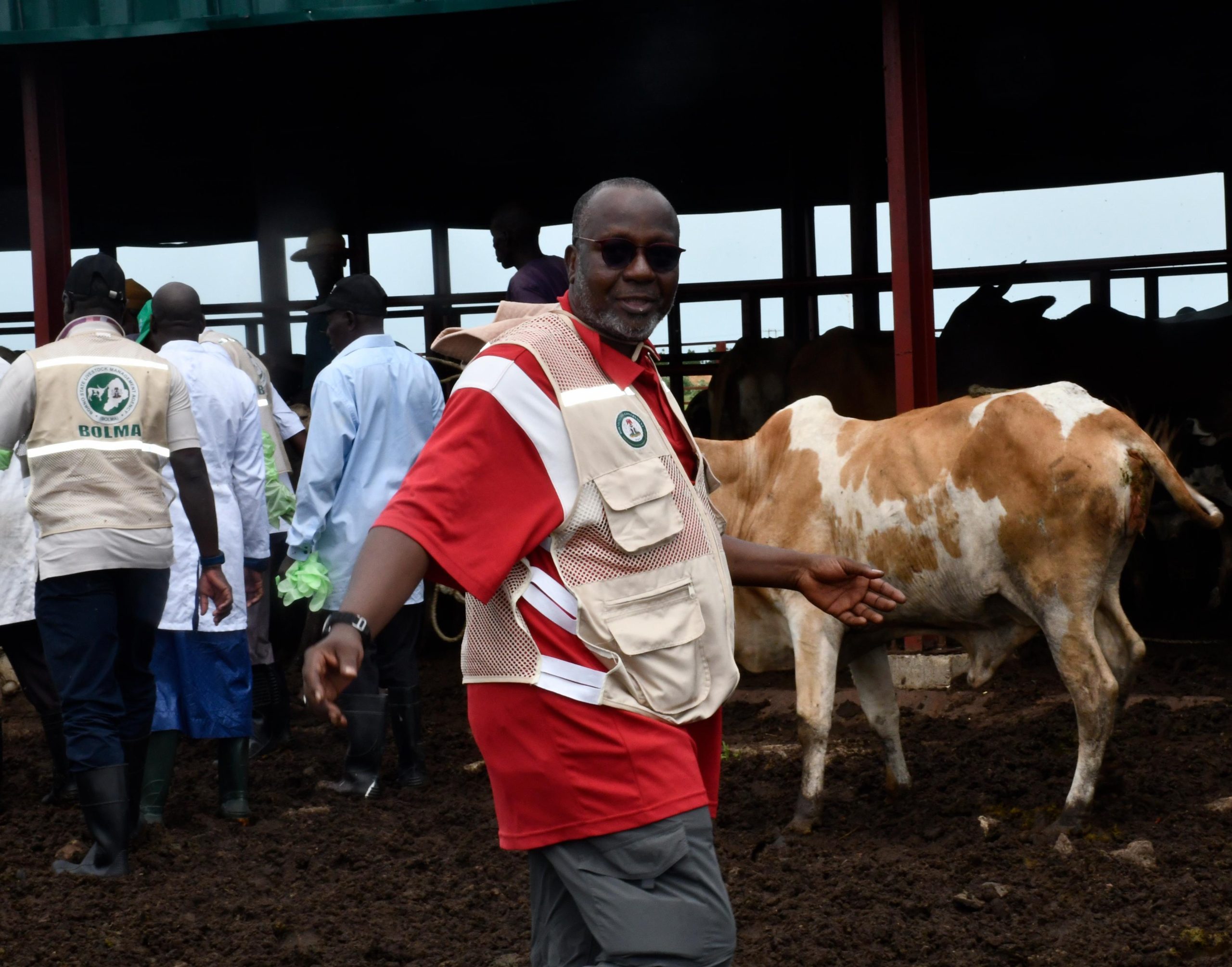
The Borno State Government has commenced the artificial insemination of synchronised cattle at the Mafa RUGA Settlement and Ngarannam Grazing Reserve, marking a major milestone in the implementation of the state’s Livestock Breed Improvement Programme.
The exercise, which represents the final stage of the first cycle of cross-breeding, was led by the Director General of the Borno State Livestock Management Agency (BOLMA), Dr. Bukar Ali Usman, mni, alongside a team of veterinary doctors, animal scientists, and livestock extension personnel.
The programme follows an extensive estrus synchronisation exercise carried out over the past two weeks in Mafa RUGA Settlement, Ngarannam, Maiduguri Cattle Market, and among privately owned cattle within Maiduguri Metropolitan Council.
During the exercise, healthy and productive cows were carefully selected, examined, and treated with reproductive hormones to synchronise their heat cycles in preparation for artificial insemination.
The synchronised cows were inseminated using high-quality frozen semen collected from carefully selected exotic breeds with superior genetic characteristics.
The imported semen was preserved in liquid nitrogen at extremely low temperatures until the time of insemination to maintain its viability.
Governor Prof. Babagana Umara Zulum approved the artificial insemination and cross-breeding of 3,000 cows across Borno State as the first phase of the livestock transformation programme aimed at improving cattle genetics, increasing meat and milk production, and enhancing the livelihoods of livestock farmers.
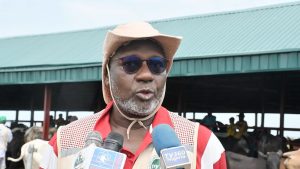
Speaking during the exercise, the Director General of BOLMA, Dr. Bukar Ali Usman, explained that the state is implementing a CIDR (Controlled Internal Drug Release)-based Estrus Synchronisation and Artificial Insemination Protocol, an internationally recognised reproductive technology designed to ensure planned, efficient, and scientifically managed cattle breeding.
He explained that the process begins with the careful selection of healthy breeding cows, followed by reproductive examination and insertion of CIDR devices containing progesterone to regulate the reproductive cycle. Hormonal injections are subsequently administered to stimulate ovulation, enabling all selected cows to come into heat within the same period.
According to him, trained veterinary personnel then monitor the animals for heat signs before carrying out artificial insemination at the appropriate time using specialised AI equipment, including insemination guns, sterile sheaths, thawing units, thermometers, protective gloves, lubricants, and frozen semen preserved in liquid nitrogen containers.
The semen is carefully thawed at the recommended temperature before being deposited directly into the reproductive tract of each cow under hygienic conditions to maximise conception rates.
Dr. Bukar added that pregnancy diagnosis will be conducted several weeks after insemination, while comprehensive records of each animal will be maintained to monitor conception rates, calving performance, and future breeding decisions.
He noted that the programme is expected to produce improved cattle breeds that grow faster, attain higher body weight, resist diseases more effectively, and produce significantly higher quantities of milk, thereby strengthening both the beef and dairy value chains across Borno State.
“The initiative reflects the commitment of the administration of Governor Babagana Umara Zulum to modernising livestock production through science and technology, improving cattle genetics, and creating sustainable economic opportunities for livestock owners,” he said.
Dr. Bukar therefore urged livestock owners across the state to continue supporting the programme by presenting their animals for subsequent breeding cycles and cooperating fully with veterinary professionals.
Also speaking, the Operational Manager of the programme, Dr. Munkaila Ibrahim, explained that synchronisation and artificial insemination are currently ongoing in four local government areas as part of the first phase of implementation.
He disclosed that additional local government areas would soon be brought into the programme, describing the breed improvement initiative as a continuous exercise designed to gradually transform livestock production across the state.
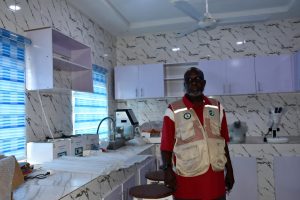
Following the field exercise, Dr. Bukar Ali Usman conducted journalists on an inspection tour of the state’s livestock breeding facilities, including the Gene Plasm Bank, the Exotic Bull Breeding Unit, and the Liquid Nitrogen Production Plant located at the College of Agriculture.
He explained that beyond the imported frozen semen currently being utilised, the state has established facilities for collecting semen from its own carefully selected exotic breeding bulls. Using the liquid nitrogen production plant and semen processing equipment, the bulls’ semen will be extracted, processed, evaluated, packaged, frozen, and stored for continuous artificial insemination programmes across the state.
The Director General stated that Governor Babagana Umara Zulum has provided all the critical infrastructure required for a sustainable cattle breeding programme, including semen storage facilities, liquid nitrogen production, breeding bulls, veterinary equipment, reproductive hormones, and trained technical personnel.
According to him, the investment will ensure the long-term sustainability and success of artificial insemination and cattle cross-breeding in Borno State.
Livestock owners who presented their cattle for the exercise expressed satisfaction with the programme, describing it as a historic intervention that will improve the quality of their herds and increase their incomes.
They commended Governor Babagana Umara Zulum for introducing modern livestock breeding technologies and pledged their continued participation in future breeding cycles.