
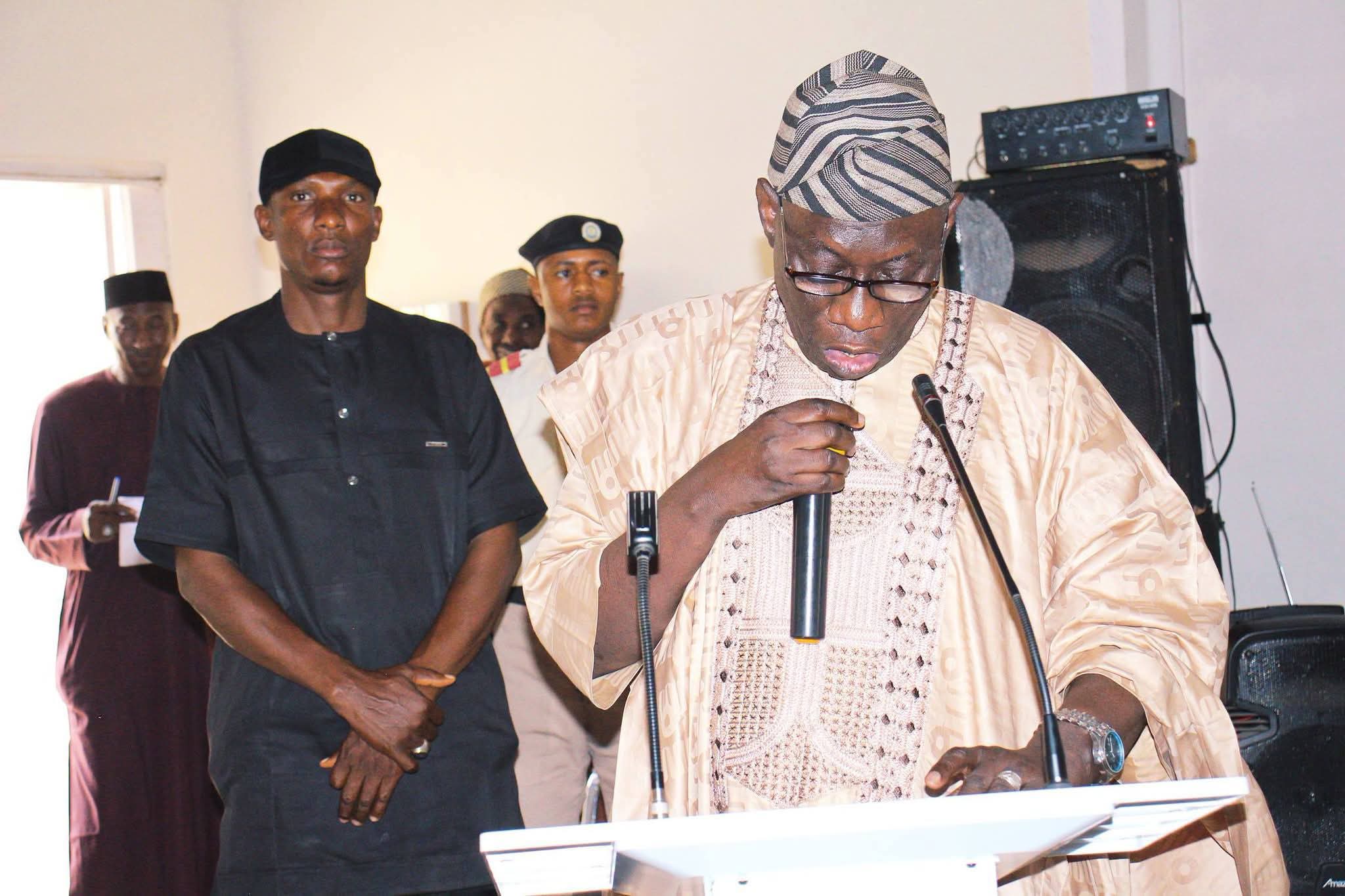
* Speaker Abbas to Boost University’s Faculty of Specialised Education
The Vice-Chancellor of the Federal University of Education (FUE), Zaria, Prof. Yahaya Isa Bunkure, has advocated the adoption of the Quadruple Helix model of collaboration and greater integration of digital technologies in education as critical strategies for building an inclusive, equitable and globally competitive higher education system.
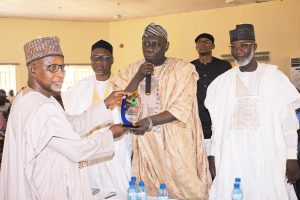
A statement signed by Sani Lawal maqarphy media aide to the VC said Prof. Bunkure made the call while declaring open the First Annual National Conference of the Faculty of Specialised Education, themed “Leveraging Technology and Artificial Intelligence for Transformation: Connecting Educators, Researchers, Professionals and Policymakers in the Digital Age,” held on 6th June, 2026, at the Prof. Sulaiman Balarabe Chambers.
The Vice-Chancellor described the conference as a reflection of FUE Zaria’s commitment to academic excellence, educational research, innovation and the pursuit of practical solutions to contemporary educational challenges.
He commended the Faculty of Specialised Education for conceiving and organising the maiden national conference, expressing confidence that it would become a flagship academic event that would further enhance the University’s reputation and visibility.
Prof. Bunkure said the conference theme aligns with the University’s Strategic Plan, which prioritises comprehensive institutional digital transformation to position the University for relevance in the rapidly evolving global knowledge economy.
He stressed that twenty-first century education must be technology-driven, learner-centred and globally competitive, describing technology as an opportunity to bridge educational gaps rather than a barrier to access.
The Vice-Chancellor observed that digital transformation is no longer optional, stressing the need for sustained investment in digital infrastructure, digital literacy and innovative teaching methodologies capable of preparing graduates for the demands of an increasingly technology-driven world.
He maintained that inclusive education remains central to the University’s philosophy, adding that every learner, regardless of physical ability, socioeconomic background or learning needs, deserves equitable access to quality education.
Drawing from his recent international engagements in Nairobi, Kenya, and Singapore, Prof. Bunkure disclosed that the University had established new academic collaborations and participated in global discussions on innovation, research and higher education development.
He explained that deliberations at the Singapore summit hinted the global shift from the traditional Triple Helix model of collaboration involving universities, government and industry to the Quadruple Helix framework, which integrates civil society to ensure that research outcomes translate into practical solutions for societal development.
According to him, stronger collaboration among universities, industry, government and communities is essential for building Nigeria’s knowledge economy, adding that Artificial Intelligence and digital innovation have become indispensable tools for national development.
Prof. Bunkure reiterated the University’s commitment to strengthening research capacity, promoting interdisciplinary collaboration, expanding digital infrastructure and supporting initiatives that improve teaching quality, innovation and community engagement.
Earlier, in her welcome address, the Dean of the Faculty of Specialised Education, Prof. Halima Yusuf Audi, explained that the conference was organised as a timely platform for examining the transformative role of technology and Artificial Intelligence in promoting inclusive, equitable and innovative education.
She observed that while technology continues to reshape every aspect of human endeavour, educators have the responsibility of ensuring that digital tools are utilised to expand access to quality education, improve learning experiences and strengthen sustainable educational development.
In her opening remarks, the Chairperson of the occasion and Director of the Centre for Girls’ Education, Zaria, Hajiya Habibah Muhammad, described the conference as a practical platform for generating solutions capable of bridging educational inequalities through technology.
She said equity requires deliberate efforts to ensure that no learner is excluded because of social background, economic status or physical ability, urging participants to challenge conventional assumptions and develop practical ideas capable of transforming communities through education.
Delivering the keynote address on behalf of the Vice-Chancellor of Yusuf Maitama Sule University, Kano, Prof. Abbas Mahmud described digital transformation as a comprehensive restructuring of how educational institutions operate, generate knowledge and assess learning, rather than merely deploying computers or installing Learning Management Systems.
He observed that the COVID-19 pandemic exposed major weaknesses in Nigeria’s higher education system, including inadequate e-learning infrastructure, poor broadband penetration, unstable electricity supply and limited internet access.
Prof. Mahmud acknowledged the Federal Government’s investment in ICT infrastructure through TETFund and commended the National Universities Commission’s Core Curriculum and Minimum Academic Standards (CCMAS) for introducing compulsory courses in Educational Technology and Digital Assessment.
He advocated greater attention to students with special needs through inclusive digital policies, Universal Design for Learning principles and the integration of indigenous languages into digital educational resources.
Representing the Speaker of the House of Representatives, Rt. Hon. Tajudeen Abbas, the Director-General of the National Water Resources Institute (NWRI), Mando, Kaduna, Prof. Abduljalal Danbaba, congratulated the Faculty of Specialised Education for organising the maiden national conference, describing its theme as timely and relevant to contemporary educational realities.
He emphasised that innovation and equity remain indispensable in expanding educational opportunities for persons with special needs and commended the Registrar of the Joint Admissions and Matriculation Board (JAMB), Prof. Is-haq Oloyede, for strengthening inclusive admission arrangements for candidates with special needs.
Prof. Danbaba disclosed that one of the constituency interventions of the Speaker is the establishment of a specialised primary and secondary school for learners with disabilities in Zaria.
He described the transition of the Federal University of Education, Zaria, into a full-fledged university as a landmark achievement that has expanded academic opportunities and facilitated the promotion of more than forty academic staff to the rank of Professor.
The Speaker’s representative pledged to recommend a special intervention package from the Speaker’s office to strengthen the Faculty of Specialised Education in recognition of its pioneering role in advancing inclusive education.
He also called for greater investment in electricity, broadband connectivity and ICT infrastructure to support meaningful digital transformation.
The conference also featured two lead paper presentations delivered by Prof. Akeem Adewale Sulaiman, and a virtual one by Prof. Onyeka Festus Mbalisi of the University of Port Harcourt, examining emerging issues in technology-driven education, Artificial Intelligence, inclusive learning and sustainable educational transformation, and was further enlivened by a cultural dance presentation performed by students of the Primary Education programme.
In a vote of thanks, Dr. Olusola Awoyemi Adenike, Chairperson of the Local Organising Committee, appreciated the University Management, invited guests, local and international delegates, staff and students for supporting the conference.
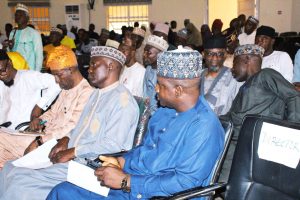
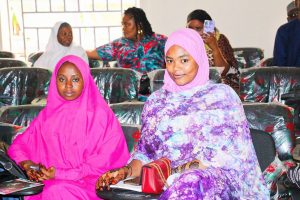
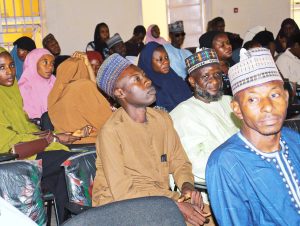
In attendance were principal officers of the University, including the Deputy Vice-Chancellor, Prof. Suleiman Balarabe, the Acting Registrar, Malam Shehu Iya Sa’idu, the Acting Bursar, Alhaji Muhammad Kabir Aliyu, as well as Directors, Deans, Heads of Departments and Units, members of staff, students, and participants from within and outside the University.